
Discover the Hadzabe: Tanzania’s Last Hunter-Gatherers
Living deep in the rugged landscapes around Lake Eyasi in northern Tanzania, the Hadzabe have maintained a way of life unchanged for tens of thousands of years.
One of the Last Hunter-Gatherer Tribes on Earth
Language: They speak Hadzane, a rare language isolate with click consonants (one of only three click languages in East Africa). It’s extremely difficult for outsiders to learn.
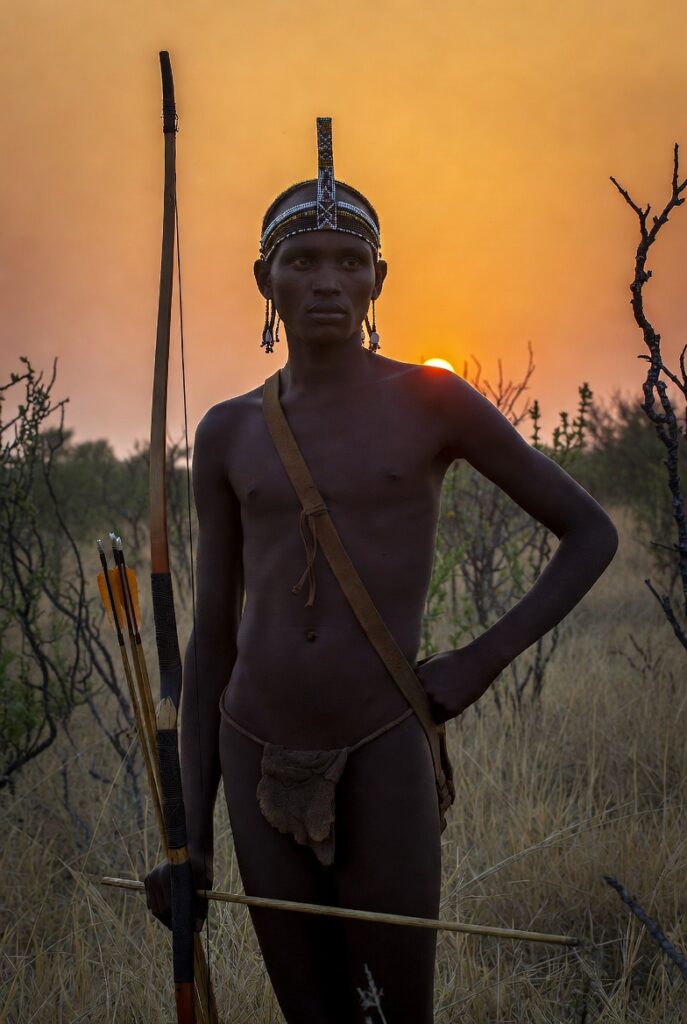
Daily Life: Men hunt using bows and poison-tipped arrows. Women gather tubers, berries, baobab fruit, and wild honey.
Homes: Temporary grass shelters that they abandon when moving to new areas.
Philosophy: They own very few possessions, believe in sharing everything (especially food), and live in harmony with nature.
Fun Fact: Genetic studies suggest the Hadzabe have one of the oldest lineages of modern humans. National Park.


Ancient Origins & History
The Hadzabe have lived in the Lake Eyasi region for at least 40,000 years — possibly much longer.
Their language, Hadzane, is a language isolate (not related to any other language) and contains unique click sounds. It is considered one of the oldest languages still spoken today.
Unlike many other tribes in Tanzania, the Hadzabe have largely resisted adopting agriculture and modern lifestyles, choosing instead to maintain their traditional way of life.
2100
Population Size
Estimates count approximately 2,100 Hadzabe individuals living traditionally in Tanzania.
15000
Hunting and Gathering Practices
The Hadzabe sustain themselves through ancient hunting and gathering methods, maintaining a deep bond with nature.
5000
Cultural Artifacts
Thousands of unique tools and artifacts reflect the tribe’s rich heritage and survival skills.
98
Language Preservation
Over 98% of the Hadzabe still speak their original click language, preserving their linguistic heritage.
Explore the Hadzabe Tribe’s Rich Heritage
Delve into the traditions, lifestyle, and cultural significance of one of Tanzania’s last hunter-gatherer communities.

Current Challenges
The Hadzabe face increasing pressure from:
Loss of traditional hunting land to farming and conservation
Climate change affecting wild food sources
Tourism (both good and bad)
Only around 300–400 still live completely by traditional hunting and gathering.

Daily Life & Culture
Hunting
Men hunt using handmade bows and arrows tipped with poison from the desert rose plant. They primarily hunt baboons, antelope, and birds.
Gathering
Women forage for wild tubers, berries, baobab fruit, and seasonal honey.
Fire Making
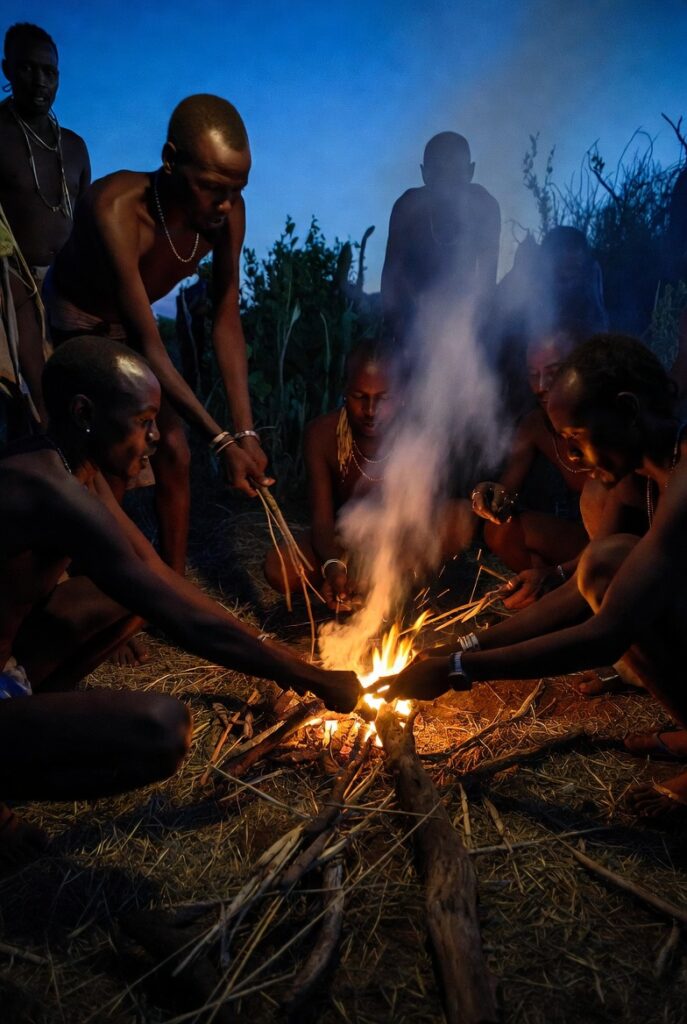
They are masters at making fire by hand using sticks and friction — often done in under a minute.
Camp Life
They live in small mobile camps of 20–30 people. Their shelters are simple grass huts that take less than an hour to build.
Music & Storytelling
Evenings are spent around the fire with singing, dancing, and passing down stories.

Daily Activities You Can Experience
If visiting:
Join a morning hunt with the men
Learn to make fire by hand
Gather wild honey and tubers with the women
Try archery with traditional bows
Listen to stories around the campfire
Discover the Rich Culture of the Hadzabe Tribe Today
Dive into the unique traditions of the Hadzabe people, embrace their story, and connect with Tanzania’s living heritage. Join us in preserving and celebrating their remarkable way of life.